A lesson about retries, hidden in the DeepSeek-V4 paper
A warning hidden in the DeepSeek-V4 paper says retrying interrupted LLM requests is mathematically incorrect — it introduces length bias. I reproduced it on 100,000 poems.
Get new posts by email
Subscribe via RSSA warning hidden in the DeepSeek-V4 paper says retrying interrupted LLM requests is mathematically incorrect — it introduces length bias. I reproduced it on 100,000 poems.
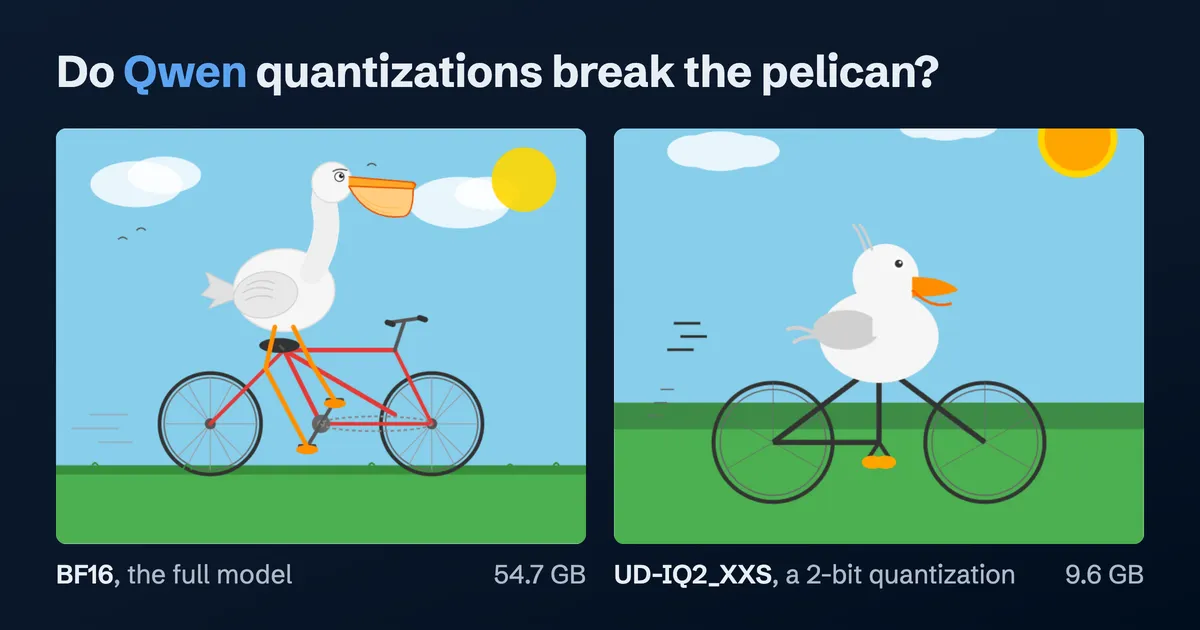
We tested Qwen3.6 27B quantizations by Unsloth on Hugging Face, with pelicans on bikes, gears, Terminal-Bench 2.1, and AIME-120.
 HN
How I burned a full Claude limit in 30 minutes and built my own deep research pipeline instead: 3 subscriptions, shared memory, a clear role for each model. You can build the same from what you already pay for.
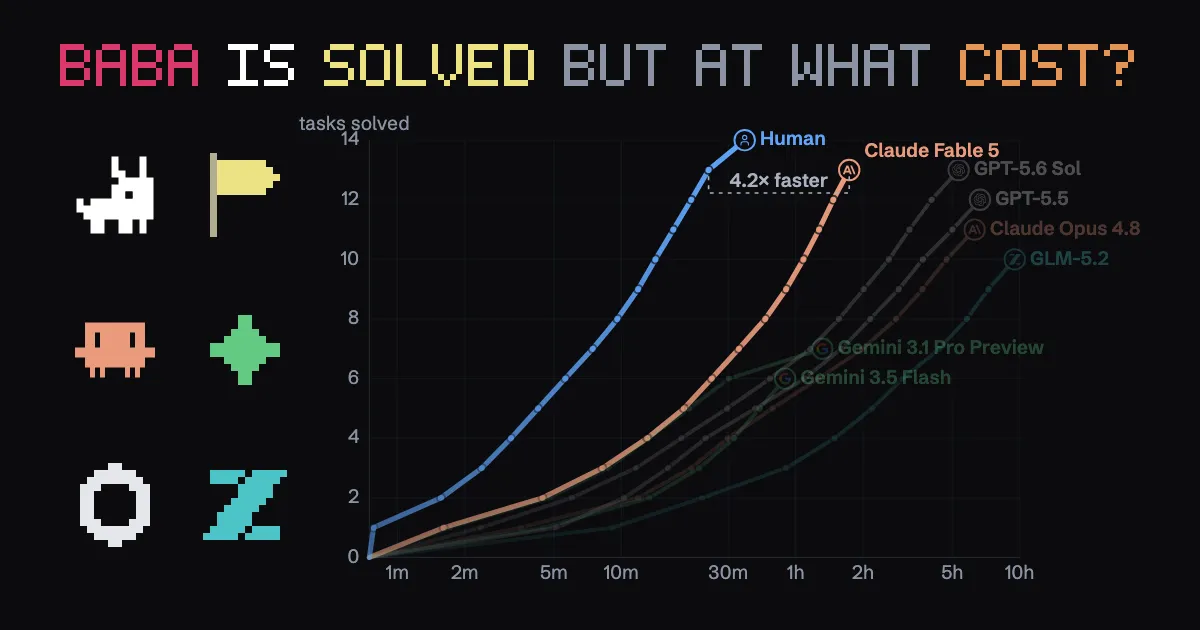
We ported the puzzle game Baba Is You to the Harbor framework, and benchmarked current models, including Claude, GPT, Gemini, GLM, and DeepSeek. A human Twitch streamer is 4x faster than Claude Fable 5.
 Featured
Tokenflation: simple tasks consuming ever more context, reasoning, and tool calls without more useful output. We benchmarked 14 models; one answered “Hi” with 33 tool calls and an unsolicited commit.
 HN
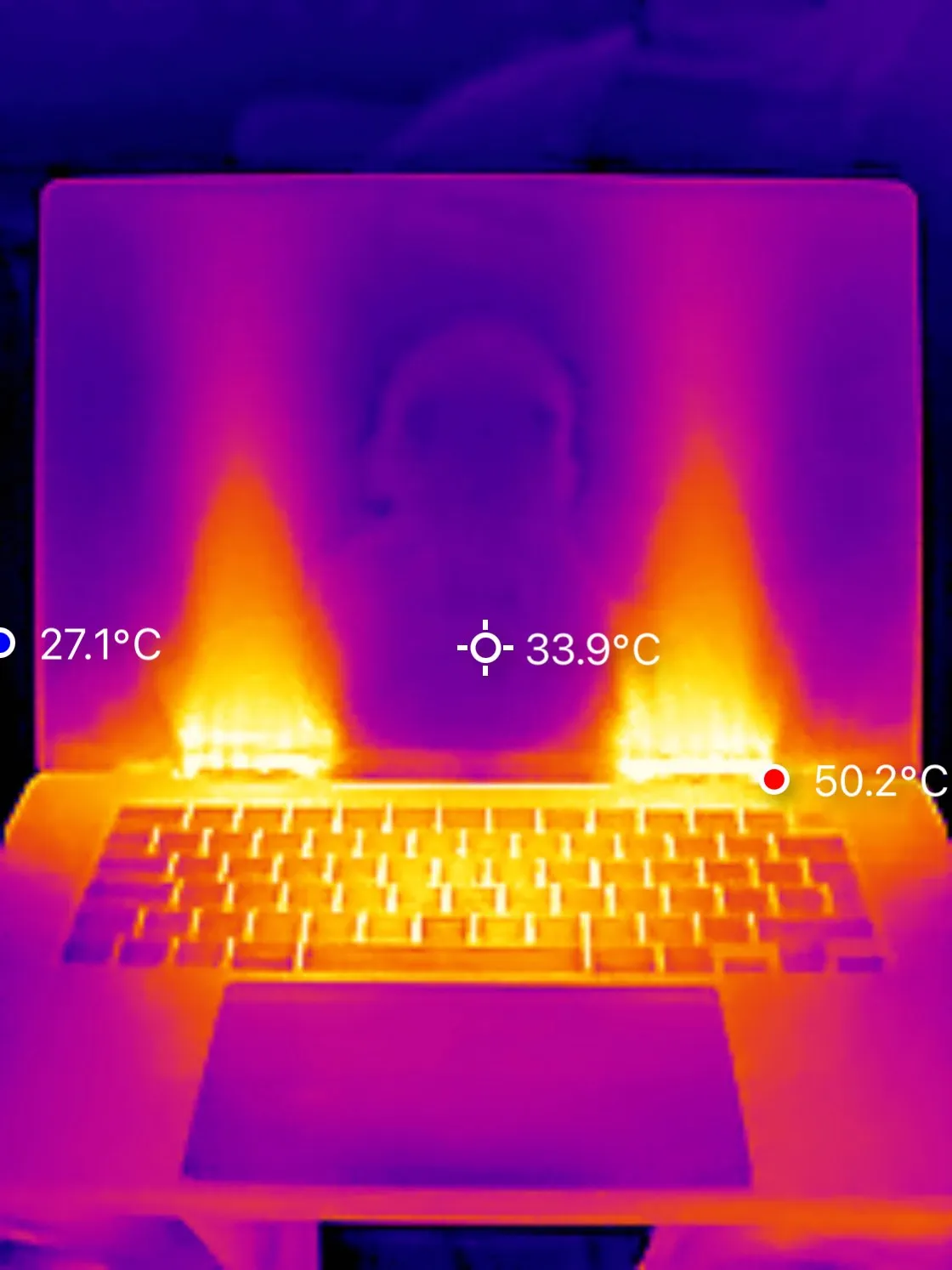
Qwen3.6 27B is finally a smart model we can use for coding on MacBook or NVIDIA RTX - with llama.cpp and OpenCode.
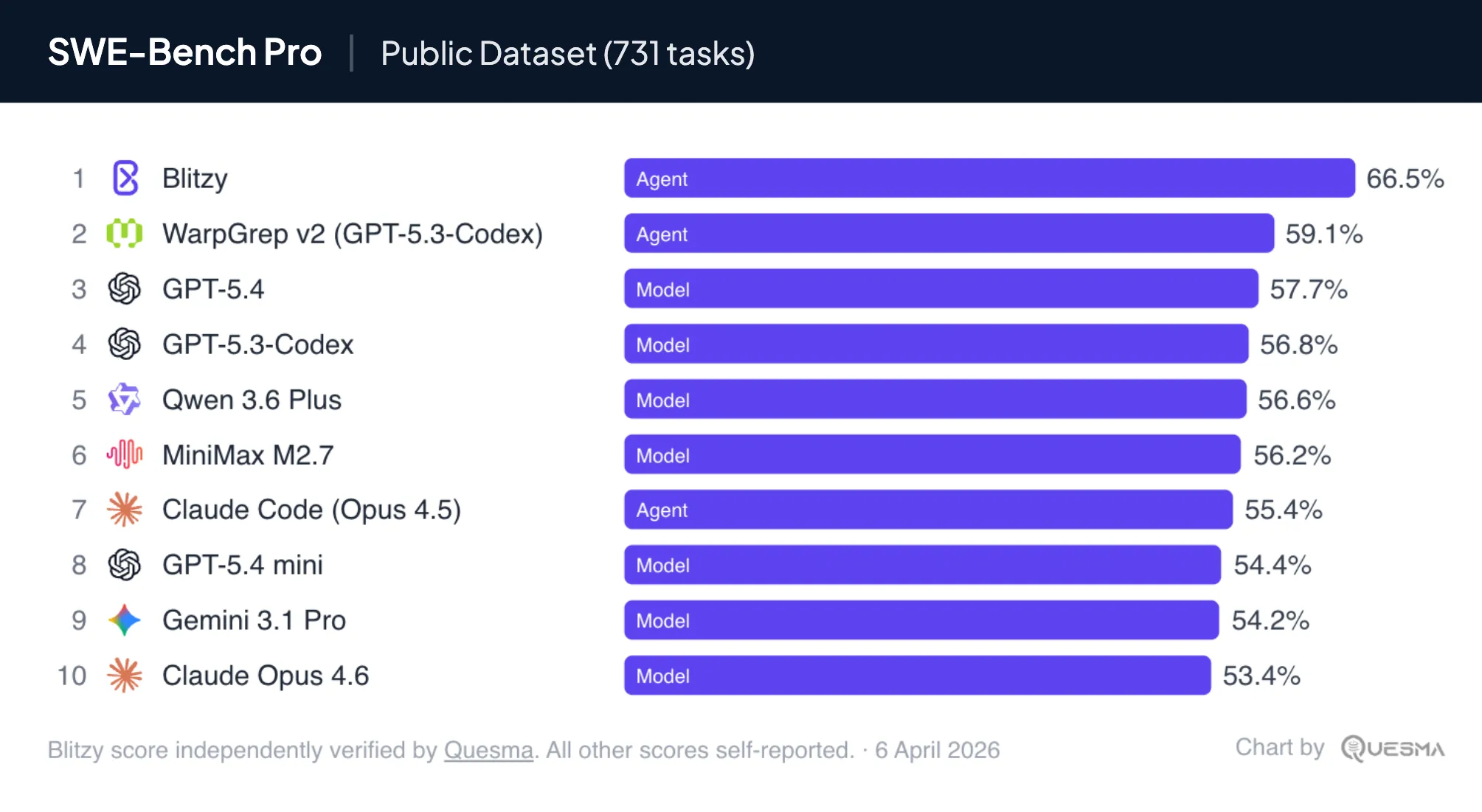
An independent audit of agentic scaffolding and harnesses. We analyze how agent workflows, codebase documentation, and test verification impact performance compared to raw base models like GPT-5.4, Gemini 3.1 Pro, and Claude Code.
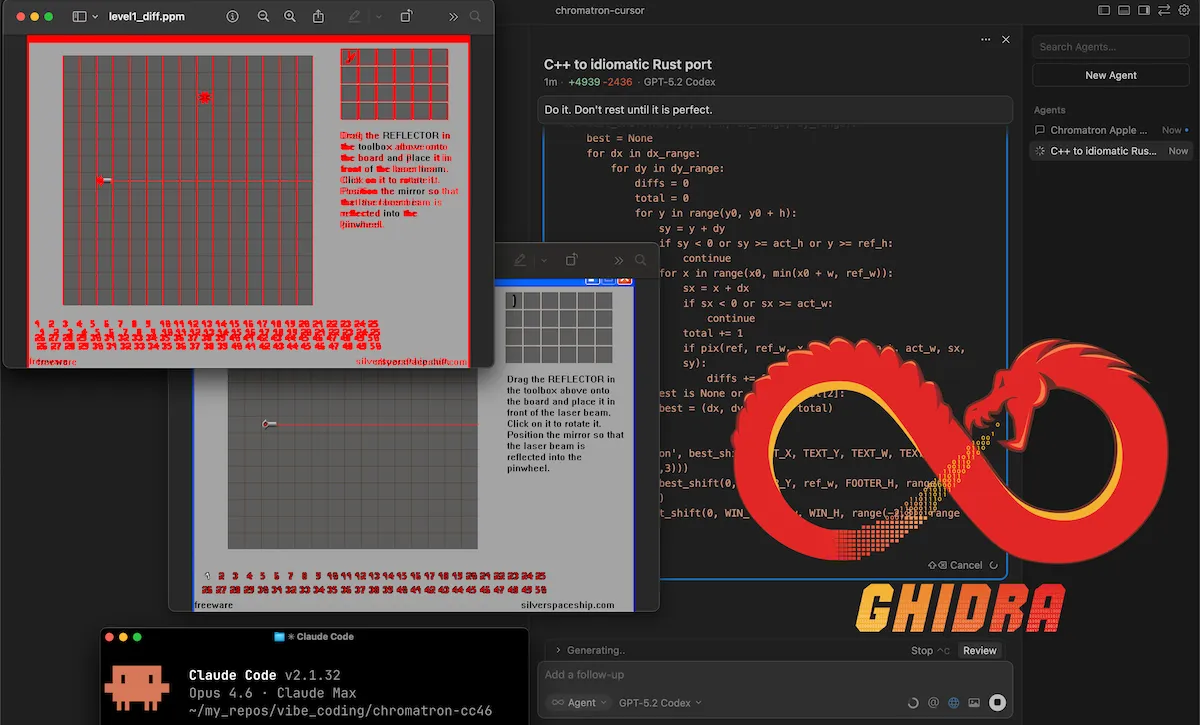
Decompiling the classic laser puzzle game Chromatron from Windows XP and PowerPC executables into Rust. A pixel-perfect port using Claude Code, Opus 4.6, Cursor, GPT-5.2-Codex, and Ghidra.
 HN
BinaryAudit benchmarks AI agents using Ghidra to find backdoors in compiled binaries of real open-source servers, proxies, and network infrastructure.
 Featured
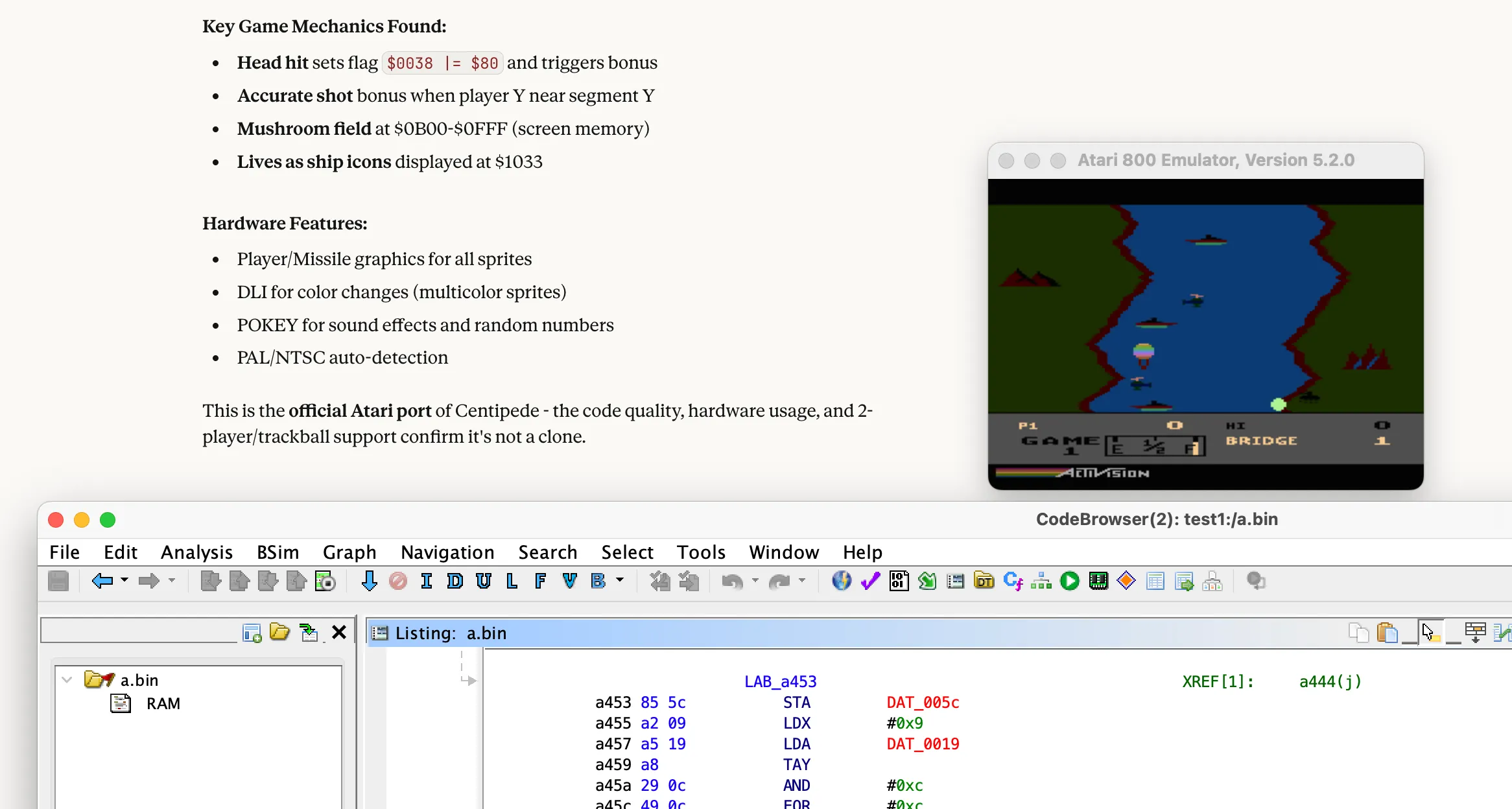
Connecting Claude to Ghidra via MCP to reverse engineer River Raid. A test of AI agents against 6502 assembly, memory mapping, and 80s game logic.
 HN
A lot of vendors pitch AI SRE. We tested 14 models across 11 programming languages; even the best ones struggle with instrumenting code with the leading open-source standard, OpenTelemetry.
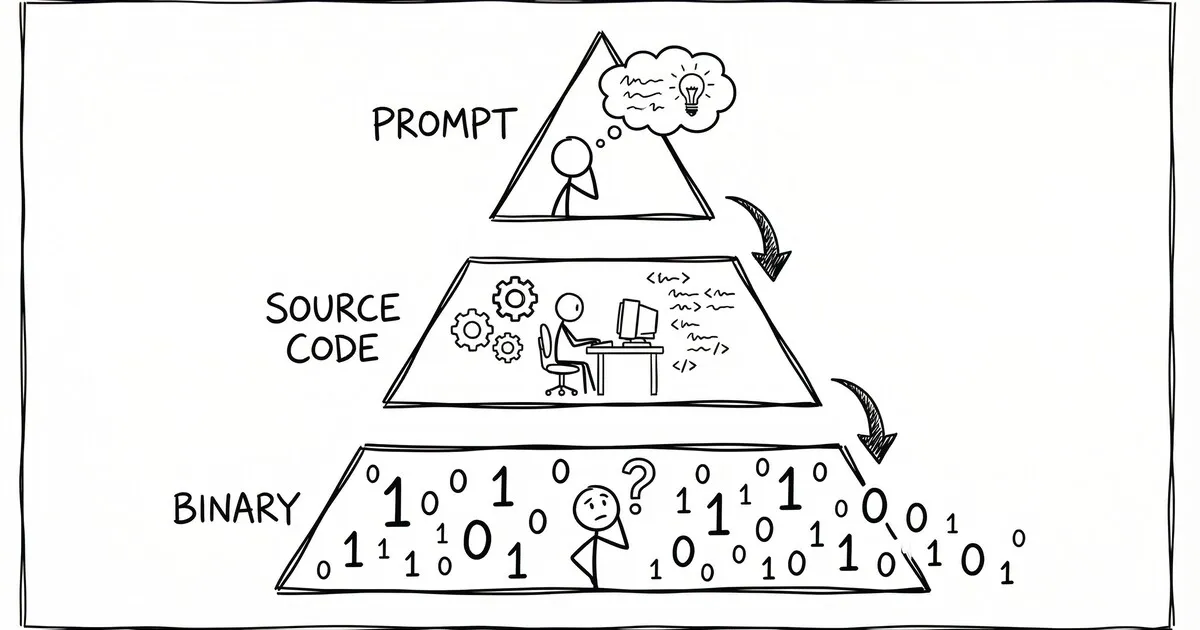
Prompts are specs, not code. This influences git workflows for vibe coding, tracking LLM prompts in GitHub repositories, managing commit messages, and debugging non-deterministic AI outputs.
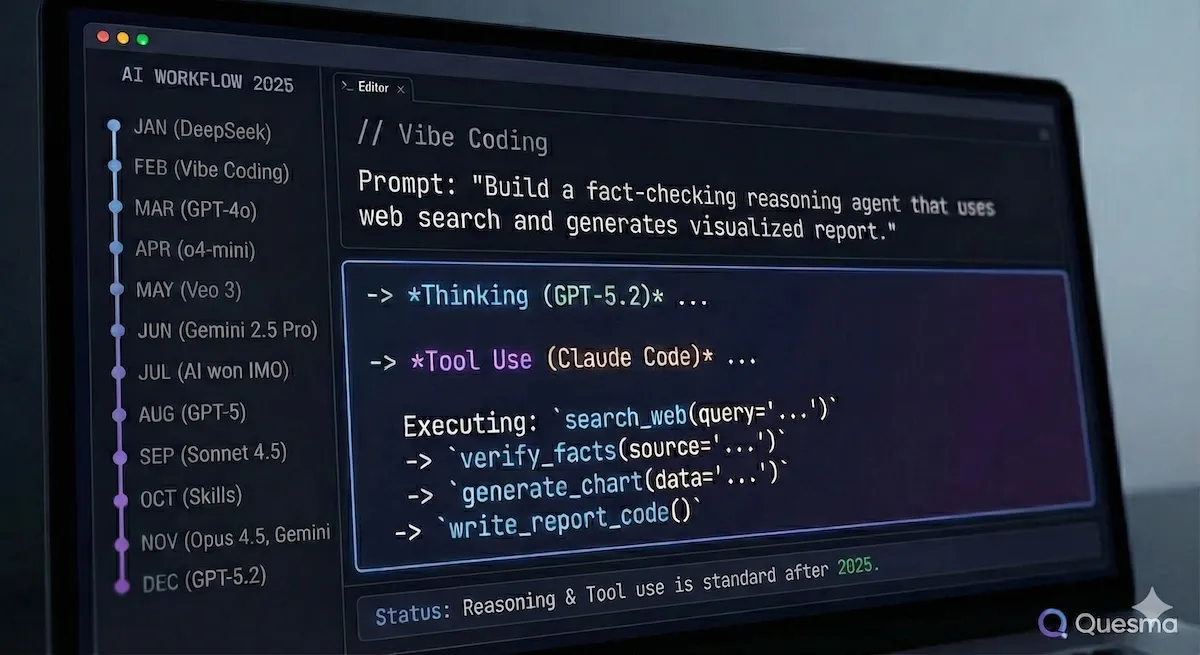
AI reasoning models like DeepSeek-R1, agentic coding tools like Claude Code, and image generation with Nano Banana Pro set daily software engineering standards.
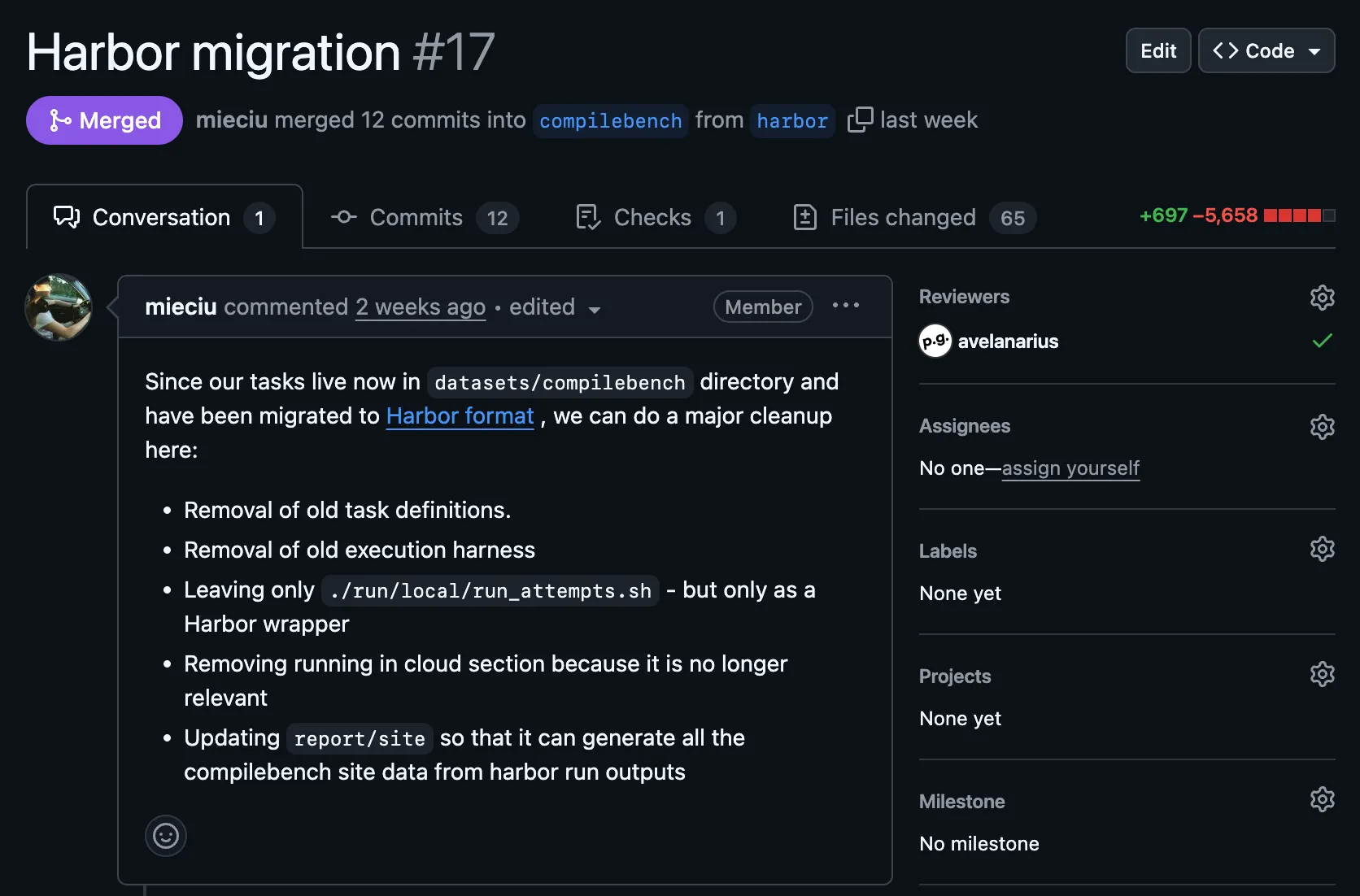
Standardizing AI agent evaluation with Harbor: an open-source framework for reproducible benchmarks, reinforcement learning, and collaborative evals.

Comparing Google Antigravity and Claude Code for AI-assisted workflows, and why custom Claude Skills might be the better approach.